
Farm-Fresh Eggs vs. Store-Bought: Why Local Vermont Eggs Taste Better (and Matter More)
/
There’s a quiet kind of celebration that happens across Vermont after the slower, darker months of winter: the hens start laying again—steadily, generously—and with that comes one of the simplest, most nourishing foods we know: fresh, local eggs.
At first glance, an egg is an egg. But when you crack one open from a nearby farm, the difference is unmistakable.
What Makes Farm-Fresh Eggs Different?
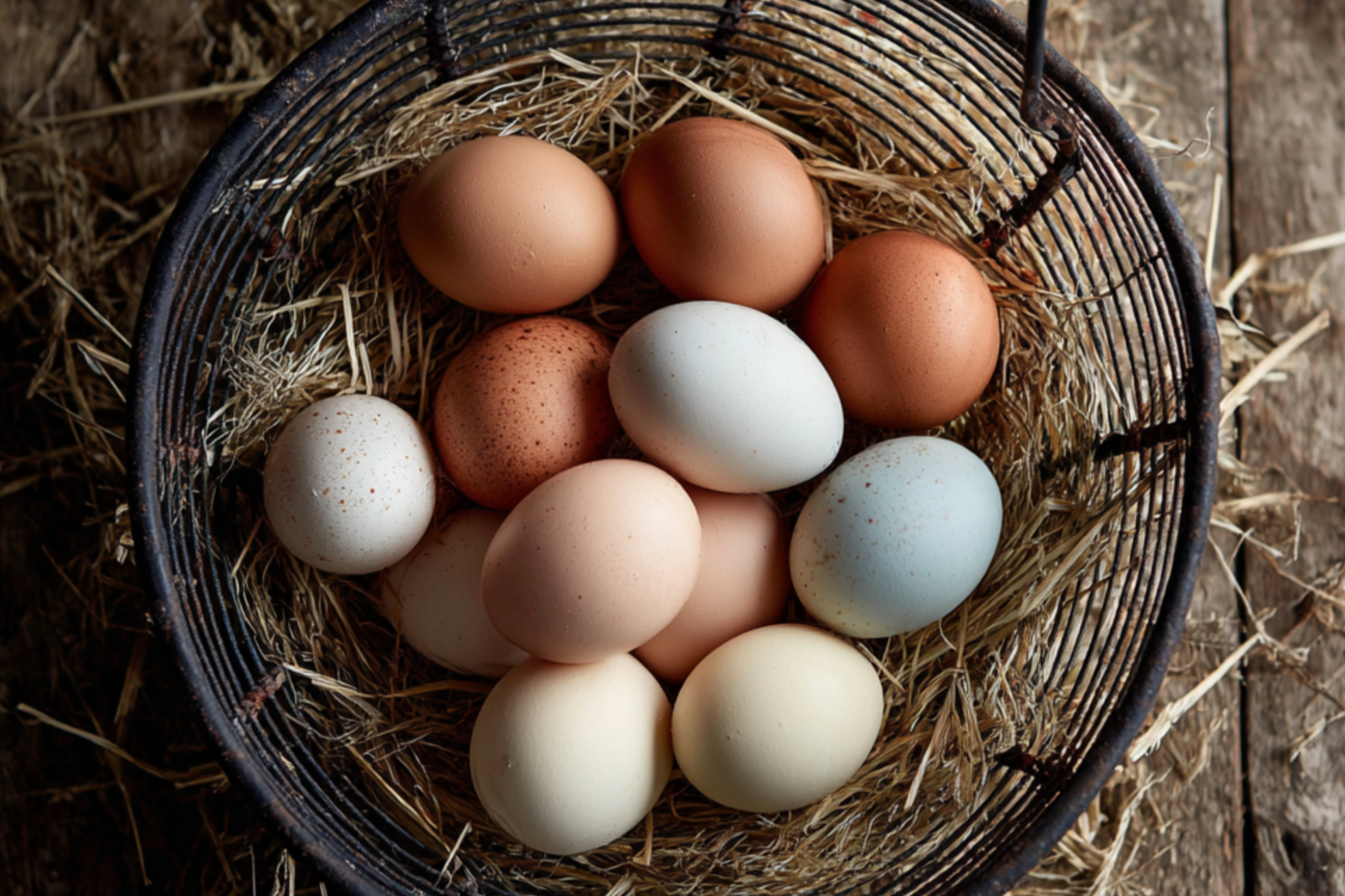
Farm-fresh eggs—like those you’ll find from our local producers—typically come from small flocks of hens raised with care, often with access to the outdoors, fresh air, and a varied diet.
Factory-farmed eggs, on the other hand, are usually produced in large-scale operations where hens are kept in confined spaces and fed a standardized diet designed for efficiency above all else.
The result? Two very different eggs.
Nutrition You Can See
One of the first things you’ll notice when you crack a farm-fresh egg is the yolk.
It’s often a deep golden or vibrant orange—rich in color and texture. That color isn’t just aesthetic; it’s a reflection of a more diverse, nutrient-rich diet that may include grasses, seeds, and insects.
Studies (including those referenced by organizations like University of Vermont Extension) have shown that pasture-raised eggs can contain:
Higher levels of omega-3 fatty acids
More vitamin D
Increased beta carotene
In other words, more of the good stuff your body actually uses.
Flavor That Speaks for Itself
If you’ve ever made scrambled eggs or a simple fried egg with truly fresh eggs, you already know.
The whites are firmer. The yolks are creamier. The flavor is fuller—almost buttery, with a richness that holds its own even in the simplest dishes.
It’s the kind of ingredient that doesn’t need much dressing up.
Animal Welfare & Ethical Farming
For many, this is just as important as taste.
Local farms tend to prioritize humane treatment, giving hens space to move, perch, dust bathe, and express natural behaviors. This stands in stark contrast to conventional caged systems, where hens may spend their lives in extremely confined conditions.
In Vermont, many small farms follow high standards of care, often guided by organizations like NOFA Vermont, which supports regenerative and humane farming practices.
Choosing farm-fresh eggs is a quiet but powerful way to support that kind of stewardship.
Freshness You Can Trust
Eggs from local farms are often just days old when they reach the shelf.
Compare that to grocery store eggs, which may be weeks old by the time they arrive (even if still within their sell-by date). Fresh eggs have:
Thicker whites
Higher-standing yolks
Better texture in cooking
And yes—you’ll taste it.
Supporting Local Farms & Food Systems
When you choose eggs from local producers, you’re doing more than buying breakfast.
You’re supporting neighbors. You’re helping small farms stay viable. You’re keeping food dollars circulating within your community.
In a state like Vermont—where agriculture is both heritage and future—that matters deeply.
A Simple Seasonal Joy
There’s something grounding about returning to foods that are as honest and whole as this.
A fresh egg, gathered not far from where you live. A meal that doesn’t need to be complicated to be deeply satisfying.
This is the beauty of spring in Vermont.
And we’re so grateful to the farmers—and the hens—who make it possible.